You can have two home additions, the exact same size, and one costs tens of thousands more. Why? It comes down to the decisions made long before construction even begins.
This guide breaks down what impacts the cost of a home addition in Naperville, from structural complexity and material selections to permits and planning, so you can understand where your investment goes and make smarter decisions before building.
If you’re still deciding whether expanding your current home makes sense, our guide to remodeling vs. buying new in Naperville can help you weigh your options before committing to an addition.
\
In this blog, you'll learn about:
What Impacts the Cost of a Home Addition the Most?
1. Size (Cost Per Square Foot)
2. Type of Addition: Build Up vs. Build Out
3. Structural Complexity
4. Mechanical Systems (HVAC, Plumbing, Electrical)
5. Material Selections
6. Permits and Local Requirements
7. Design and Planning Level
Checklist: How to Plan a Home Addition Budget in Naperville
Frequently Asked Questions About Home Additions in Naperville
What Impacts the Cost of a Home Addition the Most?
When most homeowners start looking into home addition costs in Naperville, they usually land on one number: cost per square foot.
It’s a helpful place to start, but it doesn’t tell the whole story.
In reality, the cost of a home addition comes down to a lot of moving parts working together. And more often than not, those factors have a bigger impact than size alone.
Here’s what really drives the cost:
- Size (Cost Per Square Foot):
Yes, bigger additions cost more overall, but the price per square foot can change depending on how simple—or complex—the project is. - Type of Addition:
A second-story addition is very different from a bump-out or a full rear addition. Each comes with its own structural requirements and cost implications. - Structural Complexity:
Opening up walls, reinforcing framing, or tying into an existing structure can quickly add to the scope. - Mechanical Systems:
Extending HVAC, plumbing, and electrical systems takes coordination and can impact both cost and timeline. - Material Selections:
Finishes, windows, and exterior materials can move the budget up or down depending on the level of customization. - Permits and Local Requirements:
Naperville has specific permitting and zoning requirements that factor into the overall cost. - Design and Planning Level:
A well-thought-out plan helps keep things predictable, while unclear plans often lead to changes—and added costs—during construction.
1. Size (Cost Per Square Foot)
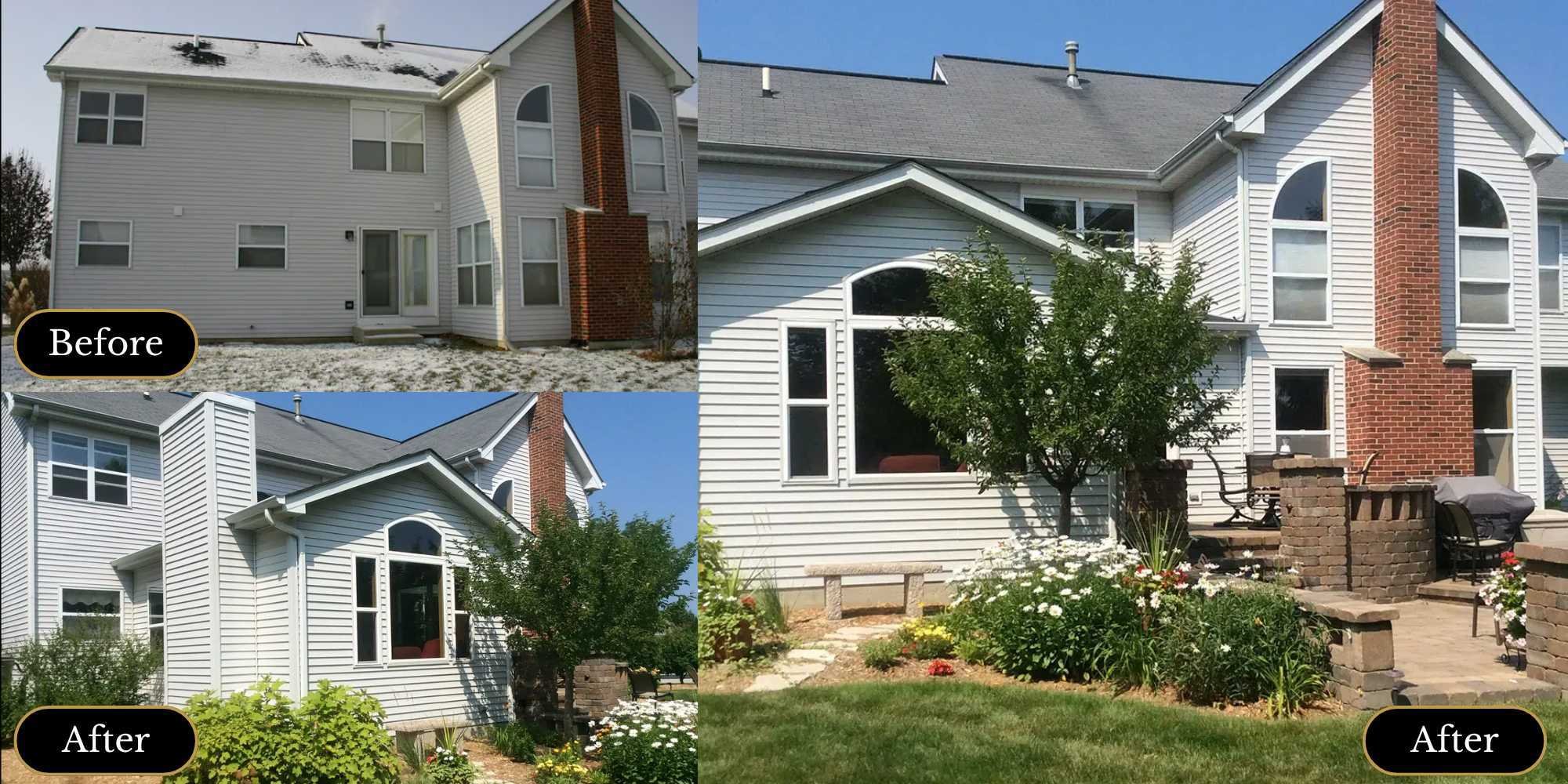
While home additions in Naperville are often discussed in terms of cost per square foot, that number can vary quite a bit depending on the complexity of the project. Larger additions increase the total investment, but they don’t always increase the cost proportionally.
In many cases, smaller additions can actually cost more per square foot because fixed costs (like design, permitting, and mobilization) are spread across less space.
So while square footage is a helpful starting point, it’s only one piece of the overall cost equation.
2. Type of Addition: Build Up vs. Build Out
A common question that comes up early is: should you build up or build out? The answer depends on your home, your lot, and what you’re trying to accomplish.
Building Up (Second-Story Addition)
Adding a second story is a great way to gain space without expanding your home’s footprint, but it comes with added complexity. Because of this, second-story additions typically require more planning and coordination.
- Reinforcing the existing foundation and framing
- Removing and rebuilding the roof
- Reworking the layout below to accommodate stairs
- Adjusting structural load paths throughout the home
Building Out (Main-Level Addition)
Building out expands your home outward and can feel more straightforward, but it still comes with important considerations:
- Excavation and a new foundation
- Setbacks, zoning, and available yard space
- Connecting the new structure to the existing home
Depending on the property, these factors can either simplify the project or add unexpected challenges.
3. Structural Complexity
On paper, an addition might look straightforward. But once you start tying new space into an existing home, the structure has to carry that load, and not every home is ready for it.
That can mean reinforcing framing, modifying load-bearing walls, or upgrading the foundation to properly support the addition. In older homes, especially, you don’t always know exactly what you’re working with until things are opened up.
And when that happens, adjustments need to be made to meet current code and ensure long-term stability.
4. Mechanical Systems (HVAC, Plumbing, Electrical)
Expanding your home also means expanding the systems that support it.
In some cases, it’s extending existing lines. In others, the current systems aren’t sized to handle the additional space, so upgrades become part of the project.
That can include:
- Extending or upgrading HVAC to properly heat and cool the new area
- Running new plumbing lines for bathrooms, kitchens, or laundry spaces
- Updating electrical to support added lighting, outlets, and appliances
Depending on how far those systems need to be extended or whether they need to be upgraded entirely, this is another area where costs can vary more than expected.
5. Material Selections
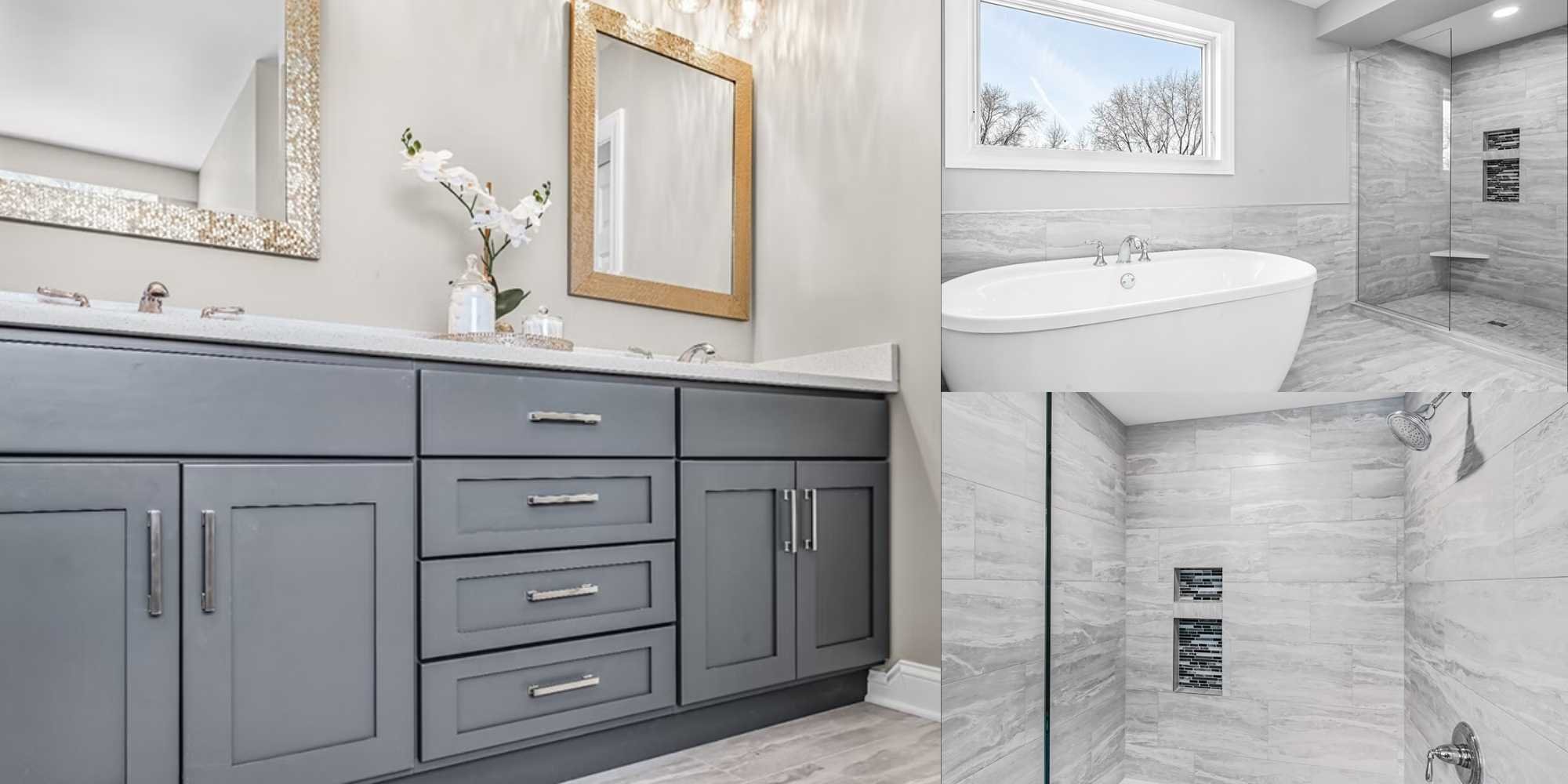
Two projects with the same layout can land in very different price ranges depending on the level of finishes selected. Most additions fall into one of three general categories:
Basic Selections
This level focuses on functionality and durability. These choices help keep costs controlled and are often used in spaces where function matters most.
- Stock cabinetry and standard fixtures
- Builder-grade windows and doors
- Basic flooring options like LVP or carpet
- Simple tile and backsplash selections
Midrange Selections
At this level, the space starts to feel more tailored without pushing into fully custom pricing.
- Semi-custom cabinetry with more style options
- Upgraded flooring, such as hardwood or higher-end LVP
- Improved tile selections with more design flexibility
- Better-quality windows and exterior finishes
- Solid surface or quartz countertops
- Upgraded plumbing fixtures and lighting
High-End Selections
High-end additions are driven by design and customization.
- Custom cabinetry and built-ins
- Premium windows and architectural details
- Designer tilework and specialty finishes
- High-end appliances or integrated features
- Unique or statement lighting and fixtures
6. Permits and Local Requirements
Every home addition in Naperville has to go through a permitting process, and that process can influence both cost and timeline.
Local zoning rules, setback requirements, and building codes determine what can be built and how. In some cases, adjustments to the design are needed to meet those requirements, which can impact the overall scope.
Permits, inspections, and approvals are a standard part of the process, but they’re also one of the reasons planning early makes such a big difference.
7. Design and Planning Level
How a project is planned has a direct impact on how it’s priced.
When details are worked out early, costs tend to stay more predictable. There’s less guesswork, fewer mid-project changes, and a clearer path from start to finish.
When planning is rushed or incomplete, the opposite tends to happen. Decisions get made during construction, which can lead to delays and added costs.
How Design-Build Makes a Difference
This is where the design-build approach stands out.
Instead of working with separate designers and contractors, everything is handled by one team from the beginning. Design, budgeting, and construction are all aligned, so decisions are made with both cost and feasibility in mind.
For a closer look at what that investment can involve, our guide explains how much a design-build home addition costs in Naperville and what homeowners should consider when setting their budget.
That means:
- More accurate budgeting earlier in the process
- Fewer surprises once construction begins
- A smoother, more coordinated experience overall

Checklist: How to Plan a Home Addition Budget in Naperville
If you’re starting to think about a home addition, having a clear plan early on makes a big difference in both cost and experience.
Here’s a simple checklist to help you get started:
- Define how you want to use the new space
- Decide whether building up or building out makes more sense
- Set a realistic investment range (not just a guess)
- Identify must-haves vs. nice-to-haves
- Consider how the addition will connect to your existing home
- Plan for permits, zoning, and timeline expectations
- Work with a team that can guide both design and construction
Frequently Asked Questions About Home Additions in Naperville
How Much Does a Home Addition Cost in Naperville?
Most home additions in Naperville fall in the range of $450 to $550+ per square foot, depending on size, complexity, and material selections. The best way to understand where your project will land is to evaluate your specific home and goals early in the planning process.
What Is the Most Expensive Part of a Home Addition?
Structural work and mechanical systems tend to be the biggest cost drivers, especially when reinforcing an existing home or relocating plumbing and HVAC. These are often necessary to ensure the addition is safe, functional, and built to current code.
Is It Cheaper to Build Up or Build Out?
It depends on your home. Building up often involves more structural work, while building out requires foundation and site work. The right choice comes down to your layout, lot constraints, and how you want the space to function.
How Long Does a Home Addition Take in Naperville?
Most home addition timelines take 8–12 months for the entire process, including design, pre-construction, and construction.
How Can I Control the Cost of My Home Addition?
The most effective way is through early planning to define the scope, select materials, and work with a team that aligns design and construction from the start. Clear decisions up front reduce the likelihood of costly changes later in the project.
Let's Have a Clear Chat About Costs
Home addition costs are shaped by the decisions made from the very beginning. Understanding what drives cost gives you more control, fewer surprises, and a better overall experience.
At J&J Construction, we help homeowners plan with clarity through a design-build approach that aligns design, budget, and construction from the start. If you’re thinking about adding onto your home, reach out and let’s talk through what makes the most sense for your space.
Download Our Free E-books
Welcome to our free e-book library, your ultimate source for home remodeling inspiration! Explore expert advice, design trends, and budgeting tips, tailored just for you.
Download now and let’s start transforming your living space together!