
When Is a Permit Required During a Remodel?
In Chicagoland, permits are usually required anytime a remodel goes beyond surface-level updates and begins affecting how your home functions or is built. Kitchens and bathrooms fall into this category more often than other rooms because they involve critical systems tied to safety and code compliance.
You’ll Need a Permit When a Remodeling Project Includes:
-
Structural changes, such as removing, adding, or altering walls or changing the layout
-
Plumbing modifications, including moving sinks, toilets, tubs, showers, or supply and drain lines
-
Electrical upgrades, like adding new circuits, outlets, lighting, or heated flooring
-
Venting changes, especially for kitchen hoods or bathroom exhaust fans
-
Adding or relocating fixtures, which often triggers plumbing and electrical inspections
Kitchens and bathrooms are more regulated than other spaces because they combine water, electricity, ventilation, and often structural changes. Permits help ensure that all of these systems are installed safely, correctly, and in line with local building codes.
While the rules can feel confusing at first, understanding when permits are required is the first step toward avoiding surprises later in the project.
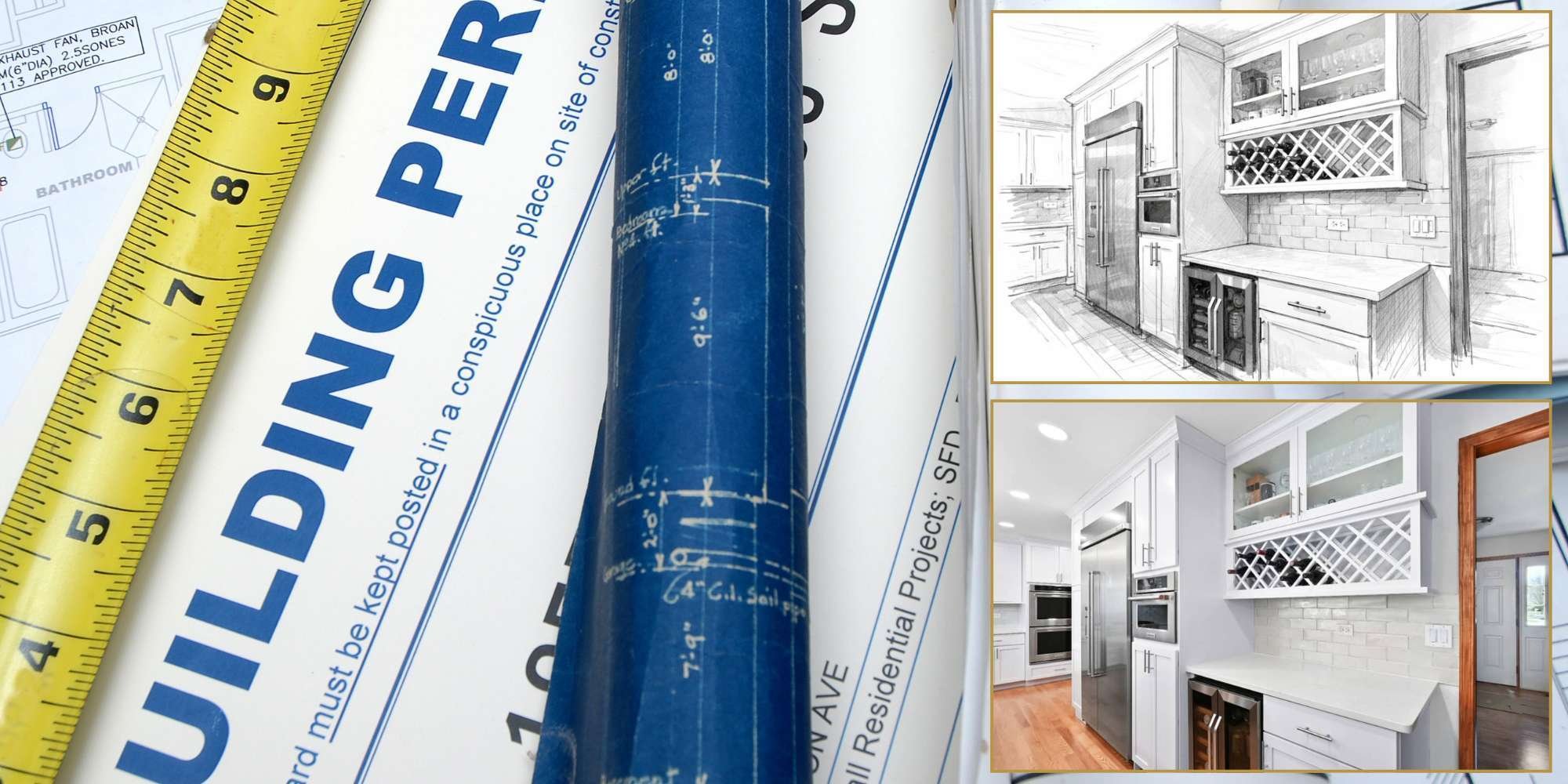
Kitchen Remodels: What Usually Triggers a Permit
Kitchen remodels often require permits because they involve multiple systems working together behind the scenes. The work behind the surfaces (plumbing, electrical, ventilation, and structure) often triggers local code requirements.
A Kitchen Remodel Requires a Permit When:
-
Moving or removing walls, especially if they’re load-bearing or affect the home’s layout
-
Relocating sinks, dishwashers, or gas lines, which requires plumbing and sometimes mechanical permits
-
Electrical upgrades, such as adding circuits for modern appliances, under-cabinet lighting, or islands
-
New or upgraded ventilation, including range hoods that vent to the exterior
In Chicagoland, permit requirements can vary by village, so what’s allowed in one town may require approval in another. Working with a local design-build team helps ensure your kitchen remodel is planned correctly from the start, so permits don’t become an unexpected hurdle mid-project.
Bathroom Remodels: What Typically Requires a Permit
Bathroom remodels are more regulated than many homeowners expect because they involve water management, electrical safety, and proper ventilation in a confined space. Even small changes can trigger permit requirements once plumbing, electrical, or structural elements are affected.
A Bathroom Remodel Requires a Permit When:
-
Moving or replacing plumbing fixtures, such as toilets, tubs, showers, or vanities
-
Plumbing modifications, including changes to supply lines, drains, or vent stacks
-
Electrical updates, like new lighting, outlets, heated floors, or exhaust fans
-
Ventilation changes, especially when adding or upgrading bathroom exhaust systems
-
Layout changes, such as expanding the bathroom or reconfiguring walls
As with kitchen remodels, permit requirements can vary by town throughout Chicagoland. That’s why it’s important to confirm what’s required before work begins so your bathroom remodel moves forward smoothly and doesn’t run into delays or corrections later on.
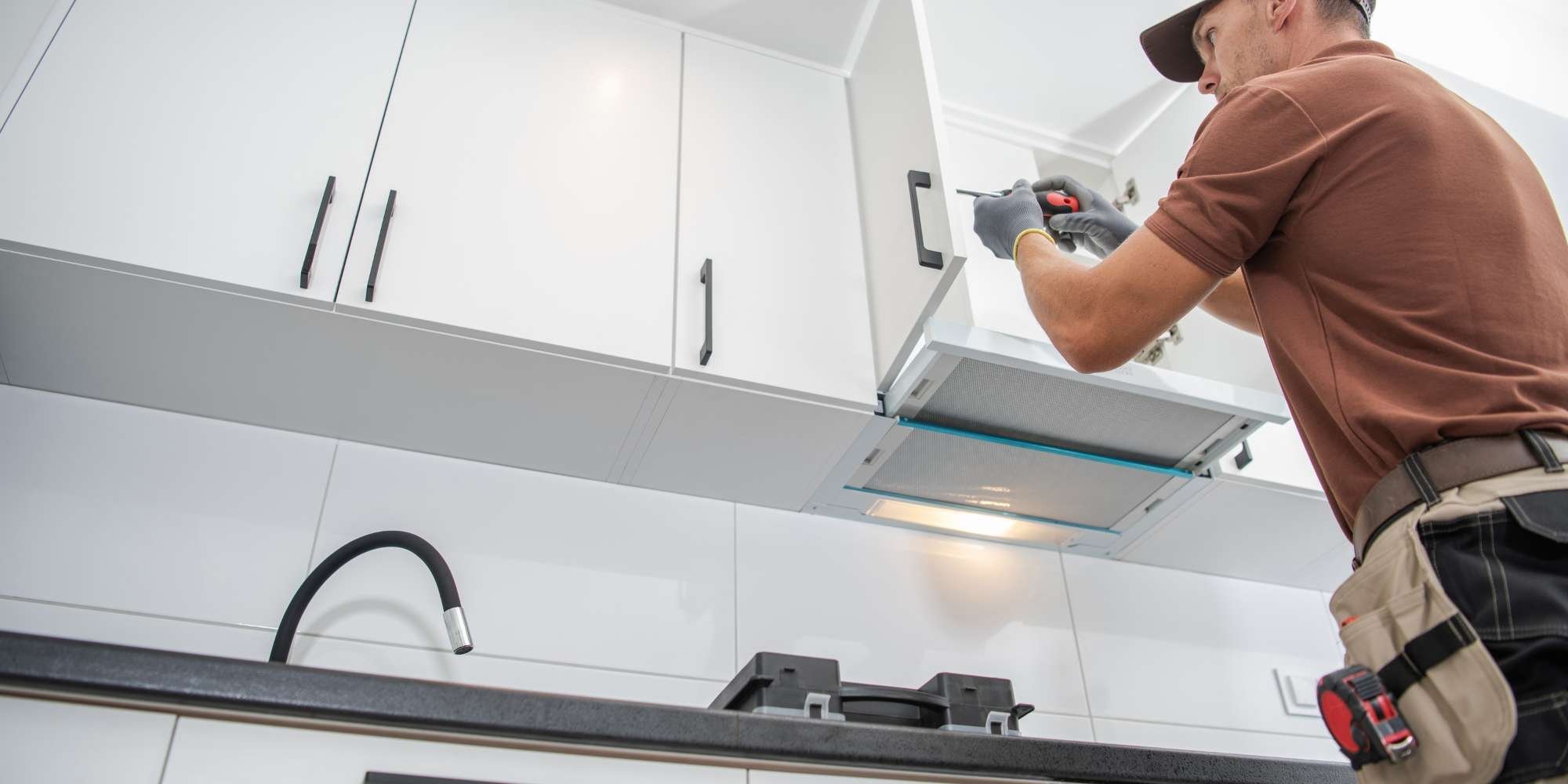
What Remodeling Projects Don’t Usually Require a Permit?
Not every kitchen or bathroom update requires a permit. In many cases, cosmetic-only improvements that don’t affect structure, plumbing, electrical, or ventilation can be completed without formal approval.
Remodeling Projects That May Not Require a Permit:
-
Replacing cabinets or vanities when plumbing and electrical stay in the same locations
-
Swapping countertops or tile without altering underlying systems
-
Updating fixtures (faucets, lighting, mirrors) in existing locations
-
Painting, flooring, or finish updates that don’t involve system changes
That said, remodels can evolve once walls are opened. A project that begins as “cosmetic” can require permits if plumbing or electrical work is needed to meet current code.
When in doubt, it’s always better to confirm requirements early, especially in Chicagoland, where rules can vary by village. Clarifying permit needs upfront helps avoid delays, fines, or unexpected corrections later in the remodel.
Why Permits Matter (Even When They Feel Like Red Tape)
Permits can feel like an extra step, but they’re in place to protect homeowners, not slow projects down.
They ensure work affecting structure, plumbing, electrical, and ventilation is completed safely and up to code. Inspections help catch potential issues early, before they turn into hidden problems behind walls or under floors.
In the long run, permitted work protects your investment, your safety, and your home’s value.
What Happens If You Remodel Without a Permit?
Skipping permits can seem harmless at first, especially if the remodel feels straightforward. But unpermitted work often creates issues that don’t surface until much later.
Common Problems Homeowners Run Into Without a Permit Include:
-
Failed inspections during future renovations or additions
-
Fines or correction notices from the local building department
-
Being required to open walls or redo finished work to meet code
-
Delays or complications during resale when work can’t be documented
-
Reduced home value or buyer requests for repairs or credits
-
Insurance claims are being denied or limited for damage tied to unpermitted work
In many cases, fixing unpermitted work ends up costing far more than doing things correctly from the start. Permits may feel inconvenient upfront, but they help protect your home, your investment, and your peace of mind long after the remodel is complete.

Why Are Permit Requirements Different Across Chicagoland?
Permit requirements vary across Chicagoland because each village and municipality sets and enforces its own building codes. While many rules are based on statewide standards, local governments often add their own requirements, review processes, and inspection timelines.
Another factor is the age and style of housing in different communities. Many Chicagoland homes were built decades ago, and once remodeling begins, outdated systems may need to be brought up to current code. What one town allows to remain in place, another may require to be updated before approving a permit.
This is where local experience becomes especially valuable. A design-build team familiar with Chicagoland’s permitting landscape knows what to expect in each community, how to plan for approvals, and how to prevent permits from slowing down your project.
That local knowledge helps keep your remodel compliant, predictable, and moving forward without unnecessary surprises.
Who Handles Permits During a Remodel?
For most homeowners, permits are one of the least familiar parts of a remodel. The good news is, you typically shouldn’t have to manage this process yourself.
In a professionally run kitchen or bathroom remodel, the remodeling team handles the permitting on your behalf. With a design-build approach, this includes determining which permits are required, submitting paperwork, coordinating with the local building department, and scheduling inspections.
You’re kept informed throughout the process, but you’re never left navigating permits or approvals on your own.

A Smoother Remodel Starts With the Right Team
Permits don’t have to be overwhelming when you understand what’s required and who handles the process.
At J&J Construction, we guide homeowners through every step of their kitchen or bathroom remodel, including permits and inspections, so nothing is left to chance. Our local experience helps prevent delays, surprises, and costly mistakes. If you’re planning a remodel, let's start with a conversation! Reach out to schedule your consultation today.